The Amalfi Coast, one town at a time.
Cliffside towns, lemon terraces and a single winding road. Choose the right base, get around by bus and boat, and time your trip around the seasons. Start with the practical details, then slow down and enjoy it.
Plan your trip, step by step
Twenty-nine practical guides, checked against the 2026 timetables and official sources.
Where to stay on the Amalfi Coast
Nine bases compared by budget, car-free access and how many steps you’ll climb.
Read the guide → 02 / GuideGetting around the Amalfi Coast
SITA buses and 2026 fares, ferries, the alternate-plate rule, parking and airport transfers.
Read the guide → 03 / GuideBest time to visit
Month by month, with 2026 ferry seasons, festivals and driving-restriction dates.
Read the guide → 04 / GuideThe Path of the Gods
Bomerano to Positano: the route, buses to the start and back, and staying safe.
Read the guide → 05 / GuideDay trips
Capri, Pompeii, Ravello and Naples, with ferries, trains and Pompeii’s 2026 ticket rules.
Read the guide → 06 / Town guidePositano
Where to stay by area, the beaches, the bus stops and ferries, and how many steps to expect.
Read the guide → 07 / Town guideRavello
Villa Rufolo and Villa Cimbrone tickets and hours, the festival, the bus up and walks down.
Read the guide → 08 / Base guideSorrento as a base
Trains to Pompeii and Naples, buses and boats to the coast, and which area to stay in.
Read the guide → 09 / Island tripCapri from the coast
Ferries, the landing fee, the Blue Grotto, the chairlift and a one-day plan.
Read the guide →10 / Town guideAmalfi town
The cathedral and cloister, beaches by boat, walks, ferries and buses, and where to stay.
Read the guide →11 / GuideBest beaches
Positano to Cetara, plus Sorrento and Capri: getting there, costs and 2026 closures.
Read the guide →12 / Getting thereSorrento to Amalfi
SITA bus, ferry, taxi or car: winter bus times, fares, ferry seasons and where to sit.
Read the guide →13 / ComparisonPositano, Amalfi or Ravello
Beaches, buses, ferries, steps and evenings compared, to pick the right base.
Read the guide →14 / Getting thereNaples to the Amalfi Coast
Ferry, train, SITA bus or fixed-fare taxi, with the Salerno boats and current timetables.
Read the guide →15 / ItineraryAmalfi Coast 3-day itinerary
Three days by ferry, SITA bus and on foot, with the Path of the Gods and a rainy-day swap.
Read the guide →16 / ComparisonSorrento or Positano?
Which base suits you: trains and buses, beaches, prices and evenings.
Read the guide →17 / DrivingDriving the Amalfi Coast
The odd/even plate rule on the SS163, who is exempt, ZTLs and parking in Amalfi and Ravello.
Read the guide →18 / ComparisonAmalfi Coast vs Cinque Terre
Transport, hiking, beaches, crowds and costs compared, with a link to our new Cinque Terre guide.
Read the guide →19 / When to goAmalfi Coast in May
What runs in May: ferries, buses, the start of the beach season, the plate rule and walks.
Read the guide →20 / When to goAmalfi Coast in September
Warm sea, thinning crowds, the end of the Ravello Festival, ferries, buses and driving.
Read the guide →21 / Town guidePraiano
The quiet base between Positano and Amalfi: beaches, sunsets, SITA buses and where to stay.
Read the guide →22 / Town guideMinori and Maiori
Flat seafronts, the longest beach, the Lemon Path and an easy family base, with buses and boats.
Read the guide →23 / Ferry guideSorrento to Capri ferry
Who sails all year, fares by time band, the landing fee, luggage and the last boat back.
Read the guide →24 / Route guidePositano to Amalfi
Travelmar ferry or SITA bus: times, fares, ticket points and taxis.
Read the guide →25 / Base guideSalerno
The city base at the eastern end: boats and buses to Amalfi and Positano, trains, the airport link and the sights.
Read the guide →26 / Town guideAtrani
The tiny village next to Amalfi: the piazza and beach, churches, walks, buses and where to stay.
Read the guide →27 / Coast guideThe Cilento coast
Paestum and Velia, Agropoli, Palinuro and Marina di Camerota, with trains and the quieter coast south of Salerno.
Read the guide →28 / Island guideIschia
Where to stay, the Castello Aragonese, thermal gardens and their seasons, Maronti beach, buses and ferries from Naples.
Read the guide →29 / Island guideProcida
The quiet island across the bay: boats from Naples and Pozzuoli, the landing fee, Corricella, Vivara and the island buses.
Read the guide →A vertical coast, best seen slowly.
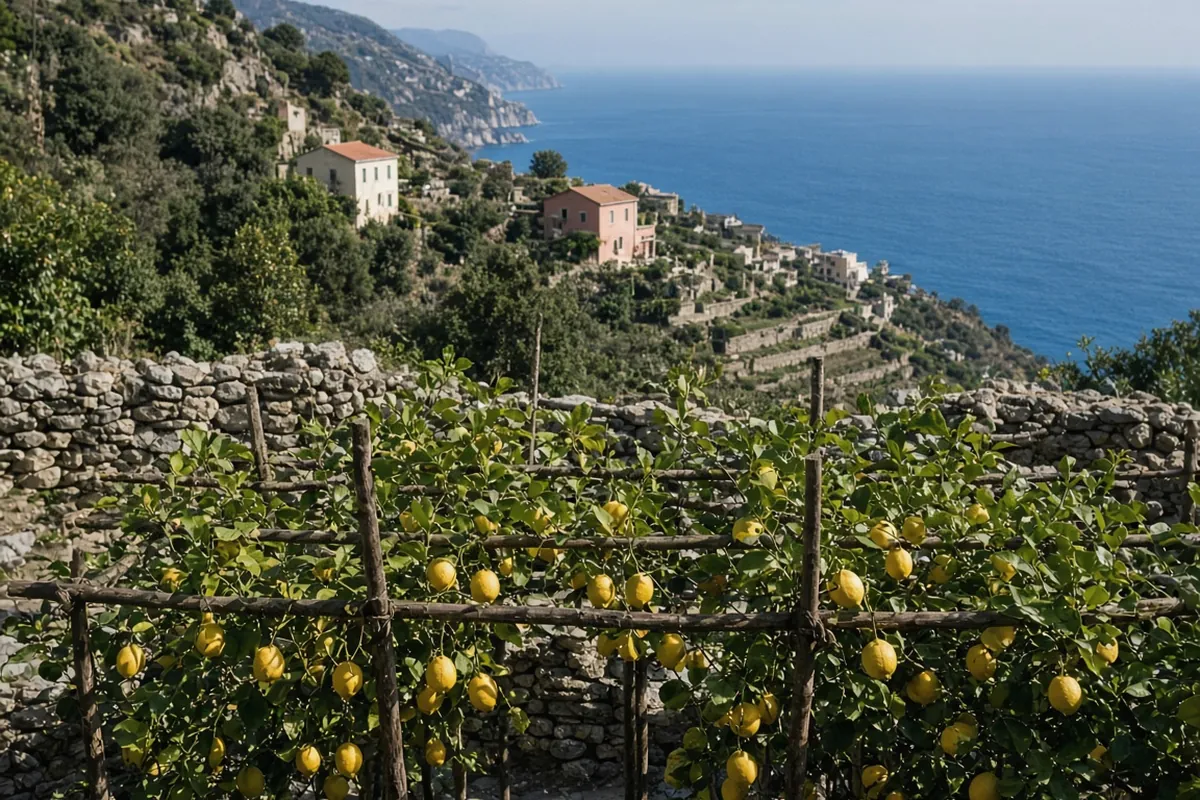
UNESCO added the Costiera Amalfitana to its World Heritage list in 1997 as a cultural landscape. It covers 15 municipalities on the southern side of the Sorrento peninsula, where terraced vineyards and citrus groves cling to slopes that drop into the sea.
Most towns lie along a single road, the SS163 Amalfitana, which runs for about 40 km from Vietri sul Mare to Positano. There’s no railway on the coast. Trains stop at Sorrento to the west and Salerno to the east, and buses and ferries link the towns in between.
For a short stay, pick one base and take day trips. With a week, two bases can work well: one on the coast and one in Sorrento or Salerno for Pompeii, Naples and Capri.
The towns at a glance
Each town has a different feel. Think about stairs, transport and evenings, not just the view.
Positano
The coast’s most famous town climbs steeply from its beaches. There’s plenty of choice for restaurants and shops, and ferries run from the main beach. SITA buses stop at the top of town, and a local bus runs up to Montepertuso and Nocelle.
Consider if: you want the classic views and don’t mind steps.Read our Positano guide →Praiano
Quieter and spread out along the coast road between Positano and Amalfi, with sea views from many rooms. Buses run along the road, and the town is a summer-only ferry stop.
Consider if: you’d like calm evenings near Positano.Amalfi
The historic heart and transport hub. SITA lines run from here to Sorrento, Salerno, Ravello, Agerola and Naples, and its pier has the most ferries on the coast. It gets busy by day and calmer in the evening.
Consider if: it’s your first visit and you want easy connections.Ravello
High above the sea, known for the gardens of Villa Rufolo and Villa Cimbrone and the summer Ravello Festival. The SITA bus from Amalfi takes about 25 minutes. There’s no ferry.
Consider if: quiet, gardens and music matter more than the beach.Read our Ravello guide →Minori & Maiori
Neighbouring towns east of Amalfi with flatter seafronts. Maiori has a long beach and Minori is smaller. Both have SITA buses to Salerno and Travelmar ferries.
Consider if: you’re travelling with family or luggage.Sorrento as a base
Not on the Amalfi Coast itself, but the most practical car-free base. It has trains to Naples and Pompeii, the airport bus from Naples (Naples airport itself is closed from 1 to 30 November 2026 for runway works, says the operator GESAC), and ferries to Capri all year. The bus to Positano takes about 50 minutes.
Consider if: day trips and trains are a priority.Read our Sorrento guide →Getting around the Amalfi Coast
The coast road is narrow and busy in summer, so it pays to plan how you’ll move between towns.
Buses link every town, from Sorrento to Salerno. Buy tickets before boarding. From 1 October 2026, singles cost €1.60–3.60 by distance, and the COSTIERASITA pass is €10 for 24 hours.
Faster and more scenic. In 2026, Travelmar’s Salerno–Amalfi–Positano service ran all year, and most other routes ran from April to late October. Amalfi to Positano took 25 minutes.
Parking is scarce and costly. From Easter to October, an alternate-plate rule limits non-resident cars on the SS163 between 10:00 and 18:00 on set days. Read our getting-around guide.
When to go
May, June and September
Usually the best balance of warm weather, open hotels and running ferries, without the August peak.
April and October
Good for walking the Path of the Gods. Most seasonal ferries run from 1 April to late October.
July and August
Peak season, with the 2026 Ravello Festival from 4 July to 5 September. Book early and expect full buses.
November to March
Quiet and cheaper, but many places close and fewer boats run. Amalfi, Sorrento and Salerno stay the liveliest.
A few things to check first
Count the steps
Ask your hotel how many steps there are from the nearest road, and whether they help with luggage. It matters more here than almost anywhere in Italy.
Capri’s landing fee
Ferry companies add a landing contribution to tickets to Capri: €5 per person from 1 April to 31 October, €2.50 the rest of the year. Plan your Capri day
Pompeii’s named tickets
From 12 January 2026, Pompeii Express costs €20. Tickets carry your name and entries are capped at 20,000 a day. See our day-trips guide
The Path of the Gods is free
No ticket or booking is needed, but the trail has exposed sections. Read the route and safety advice
Planning for 2027? Timetables, fares and the alternate-plate calendar are set each year. The details on these pages are from 2026, so check the operators’ websites before you book.