Mount Etna: how high you can go, and how.
The cable car, the 4×4 tour towards the summit and guided walks compared, with 2026 prices from the operator. Plus the rules on the upper slopes, the daily bus from Catania, trips from Taormina, and what to bring. Checked on 29 October 2026.
An active volcano with a cable car.
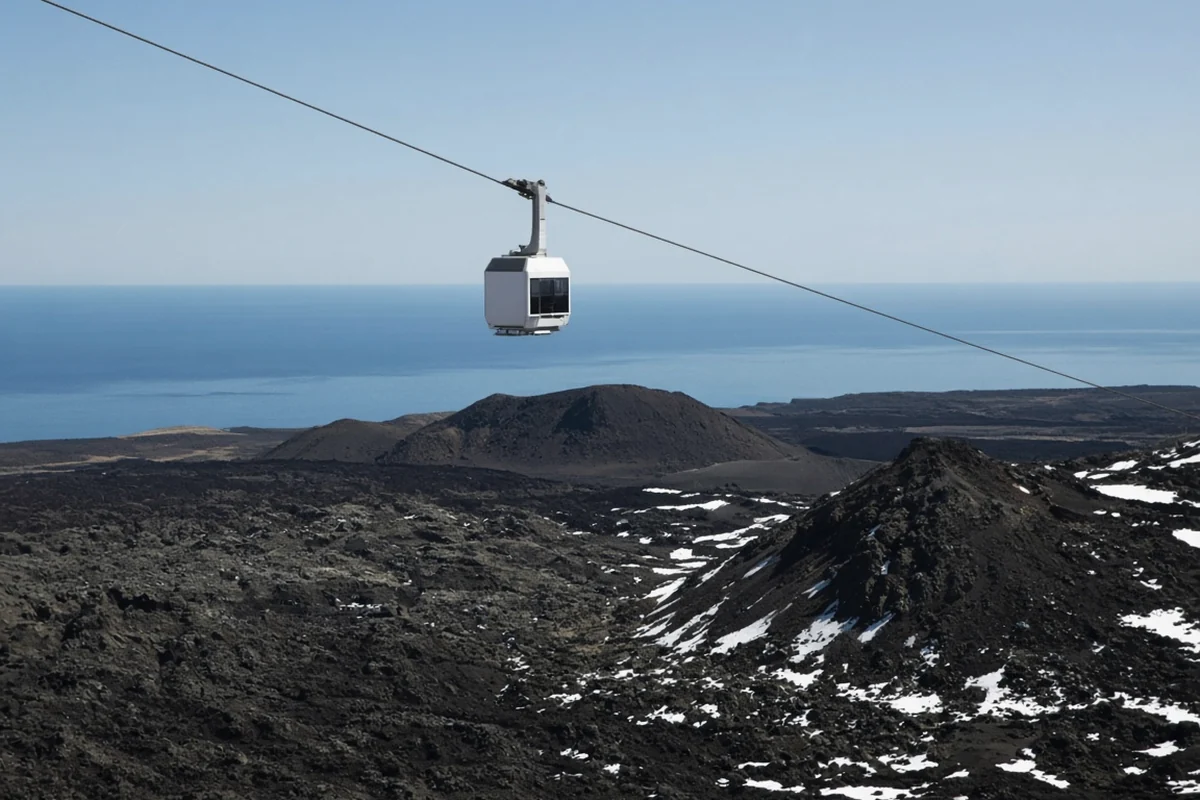
Etna rises above Catania on Sicily’s east coast, and UNESCO has listed it as a World Heritage site since 2013. It’s one of the most active volcanoes in the world, and that shapes every visit: how high you can go depends on what the volcano is doing on the day.
Most visitors go up the south side, from the Rifugio Sapienza area at about 1,900 metres. From there, the Funivia dell’Etna cable car climbs to 2,500 metres, and 4×4 buses and guides take groups higher. The north side, above Linguaglossa at Piano Provenzana, is the other base, quieter and best visited with a local guide.
You can do Etna as a half-day from Catania or a full day from Taormina. Either way, it’s cold up there, even in summer.
Before you travel: fares, schedules, opening hours, beach rules and season dates change every year, and the details on this page are from the 2026 season, so some may be out of date. Always confirm current prices, times and rules with the operator or the official site, or locally, before you travel.
Ways up the volcano, compared
Prices are the Funivia dell’Etna’s published adult fares in October 2026. Everything above the cable car depends on the weather and the alert level.
| Option | What you get | Price (2026) | Good for |
|---|---|---|---|
| Cable car only | Return cabin from 1,923 m to the upper station at 2,500 m, with equipment hire for those without | €54 adult | Seeing the upper slopes without a long walk |
| Tour 3000 | Cable car, 4×4 bus higher up and an alpine or volcanological guide, about 2.5 hours | €82 adult | Getting as high as the authorities allow that day |
| Guided trek | A licensed guide on foot, routes and length set by conditions | Set by the guide | Fit walkers who want more time on the mountain |
| On your own, low down | Walks around the extinct craters near the Rifugio Sapienza area | Free | A short visit, or a day with only a few hours |
| Tour from Taormina | Transport plus a guide, often a half-day or full day | Set by the tour operator | No car, or a first visit |
Funivia dell’Etna says the Tour 3000 runs daily from 08:30 to 15:15, with the last cable car down at 17:15, weather and technical conditions permitting.
Check locally: these fares, times and dates are from the 2026 season and may be out of date. Confirm them with the operator or the official site, or locally, before you travel.
Where you need a guide
Access to the upper slopes is set by the mayors of the municipalities around the summit, following the Sicilian Region’s civil protection alert levels. The details below are from Belpasso’s ordinance of 10 August 2026 for the south side, published by the Etna park.
The summit zone and the permanent danger zone
The summit zone takes in the summit craters, the upper Valle del Bove and, roughly, everything above 2,500 metres. Inside it is the permanent danger zone (Zona a Pericolosità Permanente, or ZPP), the area around the craters where there’s always a risk, whatever the volcano is doing.
At the “attention” level
At the normal level, which the ordinance calls attention or F0, you can enter the ZPP only with licensed alpine or volcanological guides, wearing mountain clothing and a helmet, on authorised routes. Each guide takes no more than 10 people, groups leave 15 minutes apart, and no more than 300 hikers a day may cross. Nobody may go within 300 metres of the base of the South-East Crater, or within 50 metres of active lava flows.
Pre-alarm and alarm
When the alert rises to pre-alarm, the ZPP closes to everyone, guides included. At alarm, the whole summit zone above 2,500 metres closes and anyone there must leave. The ordinance says these bans apply automatically as soon as the civil protection bulletin is issued, so tours can be cut short or changed on the day.
South side or north side?
Etna is big enough to have two quite different visitor bases.
The south side
The Rifugio Sapienza area, above Nicolosi, is where the cable car, the 4×4 buses, the souvenir shops and the daily bus from Catania all are. It’s the easiest and busiest way up, and the one this page mostly covers.
- Cable car and Tour 3000
- Daily AST bus from Catania
- Busy in summer
The north side
Piano Provenzana, above Linguaglossa, is closer to Taormina as the crow flies, quieter, and set among pine woods. There’s no cable car, so visits are on foot or by 4×4 with local guides. Rules for the upper slopes are set by the municipalities on that side, so ask your guide what’s open.
- Quieter, wooded
- Guided walks and 4×4 trips
- Car or tour needed
The slopes lower down are farmland and vineyards, and many tours from Taormina combine the volcano with a winery or a village lunch. Prices are set by each operator.
From Catania or Taormina
The south side is the easy one to reach. By public transport, there’s one bus a day, so plan around it.
| From | How | Times and cost | Good to know |
|---|---|---|---|
| Catania | AST bus to Rifugio Sapienza | Leaves Piazza Giovanni XXIII at 08:15, back from the Rifugio at 16:30. About 2 hours. €6.60 return | Daily except 25 December, 1 January, 1 May, 15 August and Easter Sunday. Tickets on board. Buying ahead doesn’t reserve a seat |
| Catania | Car | Check the road for your date | Park near the Rifugio Sapienza area and the cable car’s lower station |
| Taormina | Guided tour | Usually a half or full day | Transport, guide and timing handled for you. Our Taormina guide covers the town |
| Taormina | Car or taxi | Allow most of a day | Taormina is on the far side of the volcano from the cable car, so the drive is longer than from Catania |
AST’s times are from its Catania–Etna page, updated in July 2026. With the bus, you get about five hours on the mountain: enough for the Tour 3000 or the cable car and a walk. More on buses and car hire in our getting around Sicily guide.
Check locally: these fares, times and dates are from the 2026 season and may be out of date. Confirm them with the operator or the official site, or locally, before you travel.
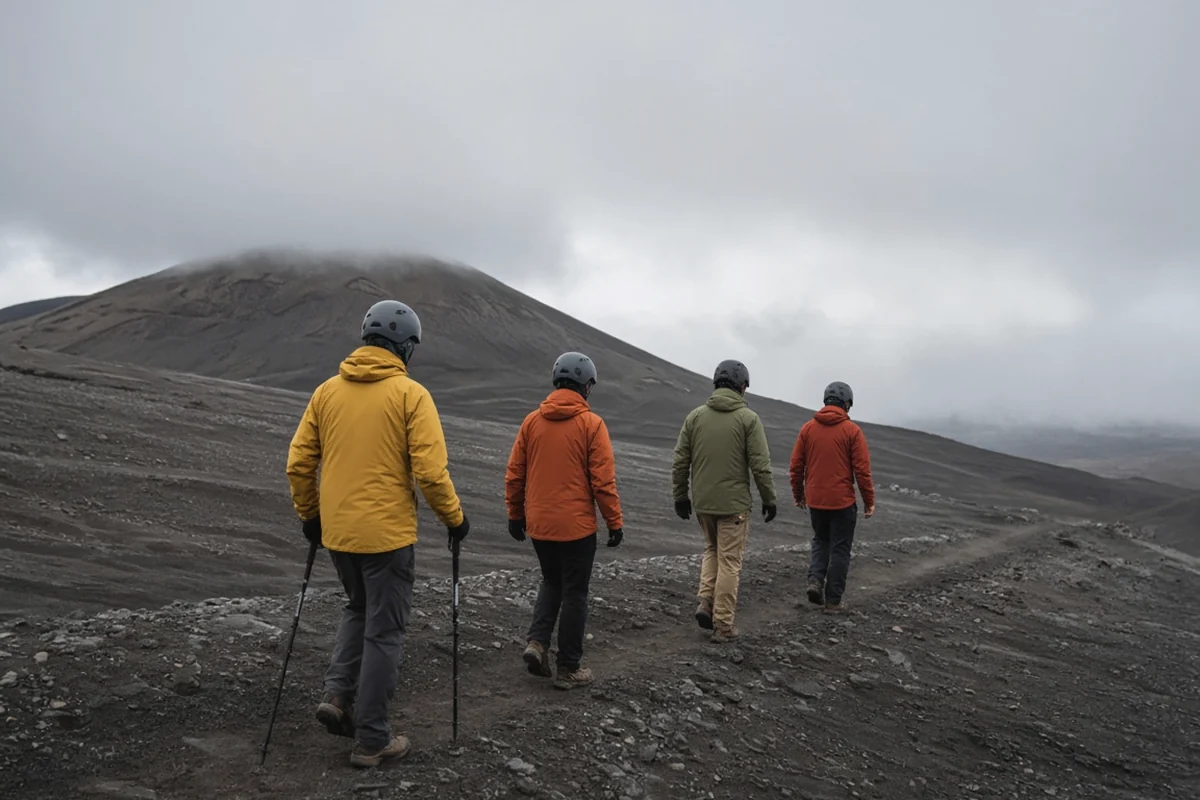
It’s a mountain first.
At 2,500 or 3,000 metres it can be windy and much colder than on the coast, even in August.
Cloud can roll in fast, the ground is loose ash and sharp lava, and the air is thinner. The Belpasso ordinance requires anyone on the high slopes to wear mountain clothing and an approved helmet. Bring layers, proper shoes and water, and take the guides’ instructions seriously: they can stop a tour if the weather or the volcano changes.
Etna through the year
You can visit all year, but the experience changes with the season.
April to June
Clearer days and mild weather lower down. Snow can linger on the upper slopes into spring, which makes the views spectacular and the walking harder.
July to August
The busiest time. Mornings are the best for views and cooler walking. Book tours ahead and arrive early at the cable car.
September to October
Fewer people and good light, but shorter days. Check the cable car’s hours and the last descent for your date.
November to March
Snow on the upper slopes. Tours depend heavily on the weather. Bring winter clothing and expect changes at short notice.
Any time
Activity can raise the alert level and close the summit areas. It can also close Catania airport: in August 2026, ash caused about two weeks of disruption.
What to wear and bring
The Funivia dell’Etna offers equipment hire with the cable car ticket for those who don’t have it. Even so, bring the basics.
Wear
- Hiking boots or sturdy closed shoes, not trainers with thin soles
- Long trousers
- Warm layers and a windproof jacket
- A hat and gloves outside summer
Bring
- Water and a snack
- Sunglasses and sun cream: the sun is strong at altitude
- Cash and card
- Your phone charged, for tour updates
Four things to check before you go
Most Etna problems come from the weather and the volcano, so stay flexible.
The alert level
Check the regional civil protection updates and your tour company on the day. At pre-alarm, the summit craters close to everyone.
The weather up top
Clear skies on the coast don’t mean clear skies at 3,000 metres. Have a back-up day if Etna matters to you.
The bus times
If you’re using AST’s bus, there’s one run each way: 08:15 up and 16:30 down. Don’t miss the return.
Your flight
Ash can close Catania airport at short notice. Leave a margin and check with your airline. See our getting around guide for the other airports.
Frequently asked questions
Can I go to the top of Etna without a guide?
Not to the summit craters. Under the 2026 rules, the permanent danger zone around the craters can only be entered with licensed alpine or volcanological guides, with a helmet. You can take the cable car to 2,500 metres and walk the extinct craters lower down on your own.
How much is the Etna cable car?
€54 return for adults in 2026, from 1,923 to 2,500 metres, according to Funivia dell’Etna. The Tour 3000, which adds a 4×4 bus and a guide higher up, costs €82.
How do I get to Etna from Taormina?
The easiest way is a guided tour that includes transport. By car, allow most of a day, because the cable car is on the south side of the volcano. There’s no direct public bus from Taormina to the cable car. See our Taormina guide.
Is there a bus from Catania to Etna?
Yes. AST runs one bus a day from Piazza Giovanni XXIII at 08:15 to the Rifugio Sapienza, returning at 16:30, for €6.60 return. It doesn’t run on 25 December, 1 January, 1 May, 15 August or Easter Sunday.
What happens if Etna erupts on my tour day?
If the alert level rises, the summit areas close automatically, and tours are shortened, rerouted or cancelled. Check your tour’s refund and rebooking terms before you book.
Etna planned. Now plan the coast below it.
Return to our Sicily travel guide to fit the volcano into the rest of your trip.
Sicily guide →Comparing islands? See our Sicily or Sardinia guide.